
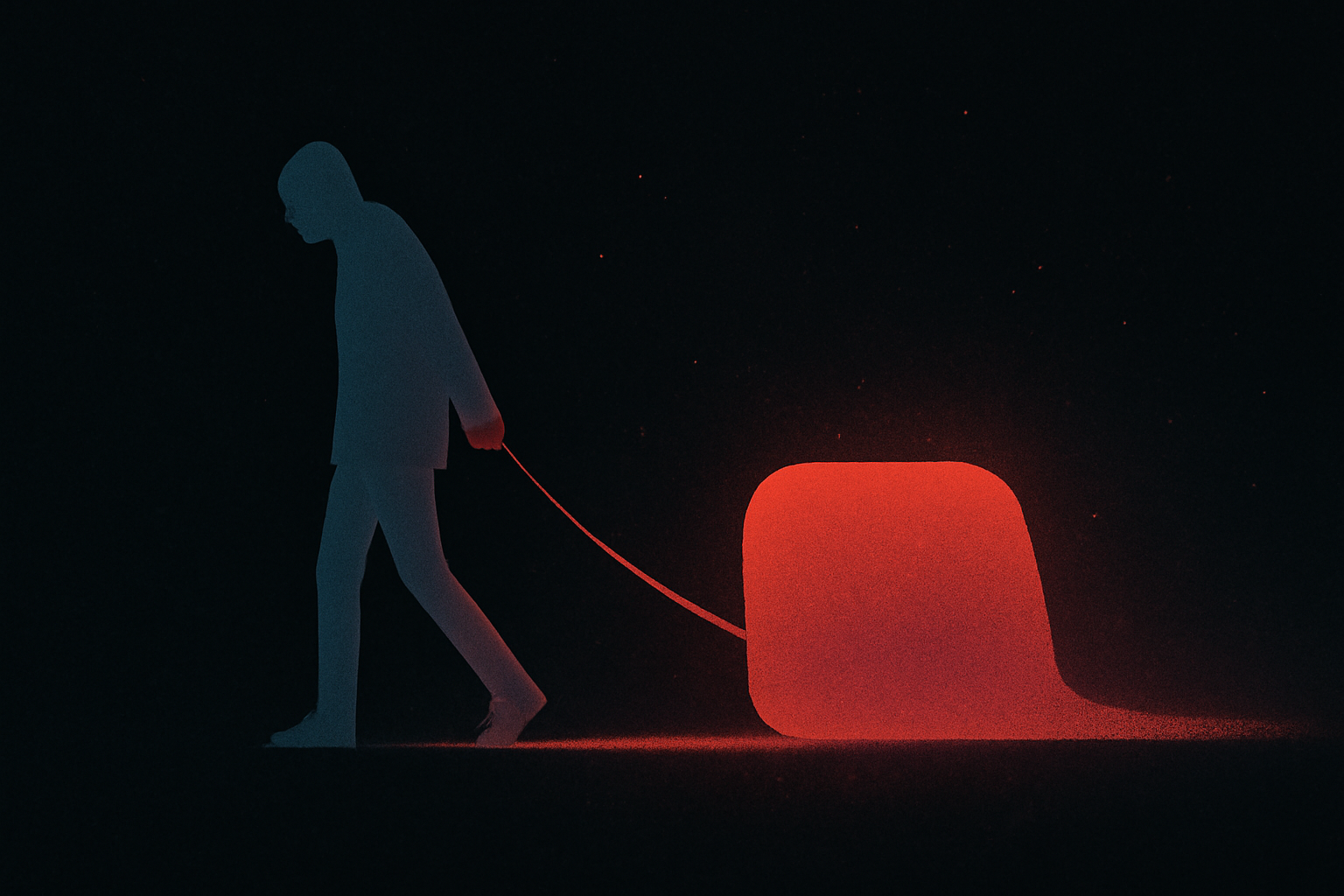
You know that moment when someone asks how you've been and your first instinct is to recite a litany of disappointments? Not because you're complaining exactly, but because somewhere along the way, the catalogue of what went wrong became your most fluent language. The promotions that went to less qualified colleagues. The friend who stopped returning calls. The partner who chose their phone over your presence. These aren't just memories anymore. They're evidence. Proof of a verdict you reached long ago about how the world works and where you stand in it.
Bitterness doesn't announce itself with fanfare. It arrives quietly, reasonably, as a kind of clarity. After enough times of extending yourself only to be met with indifference or cruelty, after enough occasions of watching others glide past obstacles that left you bruised and limping, something hardens inside you. And it feels, at first, like wisdom. Like you've finally stopped being naive. You're simply seeing things as they are now, without the blurring filter of hope that made you vulnerable to disappointment. There's an odd comfort in this sharp-eyed view. At least you won't be caught off guard again. At least you know better now than to expect more than scraps from a world that's made clear what it thinks you're worth.
The strange thing is how protective bitterness feels in the beginning. It's a shell you didn't know you were building, constructed from accumulated hurts that never quite healed. Each slight, each betrayal, each time you were overlooked or undervalued gets added to the structure. And from inside that shell, you feel safer. Less exposed. When you expect the worst, you can't be blindsided. When you've already decided people are selfish and systems are rigged, you're armoured against the sting of being proven right yet again.
But here's what you might not notice at first: how that protection changes the texture of everything you touch. How it alters the taste of moments that might have held sweetness. Your daughter tells you about her new job and you can't quite let yourself be unambiguously happy for her because some part of you is already cataloguing how she got lucky, how it's easier for her generation, how if you'd had those advantages. Someone compliments your work and instead of letting it land, you're immediately suspicious of their motives or dismissive of their judgement. The warmth can't get through anymore. You've become so skilled at spotting the flaw, the catch, the hidden slight, that you find them even when they're not there.
Bitterness has its own peculiar logic. It whispers that holding onto your hurts is a form of justice, that letting go would be a betrayal of yourself, an admission that what happened to you didn't matter. It insists that your resentment is righteous, that someone needs to remember the score, to hold people accountable in your own private ledger even if they never know they're being tallied. There's a grim satisfaction in it, a sense of being the one who refuses to pretend everything is fine. In a world that rushes past pain without acknowledgement, your bitterness feels like testimony. Like refusing to lie.
But what does it cost you to be the keeper of that testimony? What does it do to your face, your voice, the way you move through rooms? You might have noticed how people have stopped confiding in you the way they used to, not because you've been unkind exactly, but because they sense the cynicism waiting behind your eyes, ready to curdle whatever fragile hope they're trying to protect. Or how opportunities seem to flow around you now, not because of some conspiracy, but because you've become someone who radiates the expectation of disappointment. We all move toward warmth. And bitterness, whatever else it is, has gone cold.
The cruelest trick is that bitterness keeps you bound to exactly what hurt you. You think you're protecting yourself from those who wronged you, but you're actually giving them residence in your chest, letting them colour every sunrise. That colleague who got the promotion three years ago? They've forgotten about it, moved on to other concerns. But you're still holding space for that injustice, still feeling it spike whenever you sit down to work. The friend who disappeared? They might have been drowning in their own crisis. But in your narrative, they're frozen as the betrayer, and you're frozen as the one betrayed, neither of you allowed to change or grow beyond that moment.
What would it mean to set down that weight? Not to pretend nothing hurt, not to absolve anyone of actual harm, not to gaslight yourself into false positivity. But to acknowledge that you've been carrying something that's grown too heavy. That the cost of this protection has become greater than the cost of being vulnerable again. That the armour you built is now a cage.
You might notice, if you pay attention, that there are still moments when your first response isn't sour. When you laugh at something silly before remembering you're supposed to be above such simple pleasures. When you feel genuine excitement about a possibility before the habitual cynicism rushes in to squash it. Those moments are telling you something. They're showing you who you still are underneath the accumulated residue of old pain.
What if bitterness isn't wisdom at all, but a kind of loyalty to wounds that deserved to heal? What if the real courage isn't in holding onto what hurt you, but in trusting that you're strong enough to survive disappointment without pre-emptively shutting down hope? What if you could honour what happened to you without letting it dictate what's possible now? What might change in your life if you let yourself taste sweetness again without immediately searching for poison? What if you softened just enough to let something new surprise you?
Written with intention by
The Pilgrim