
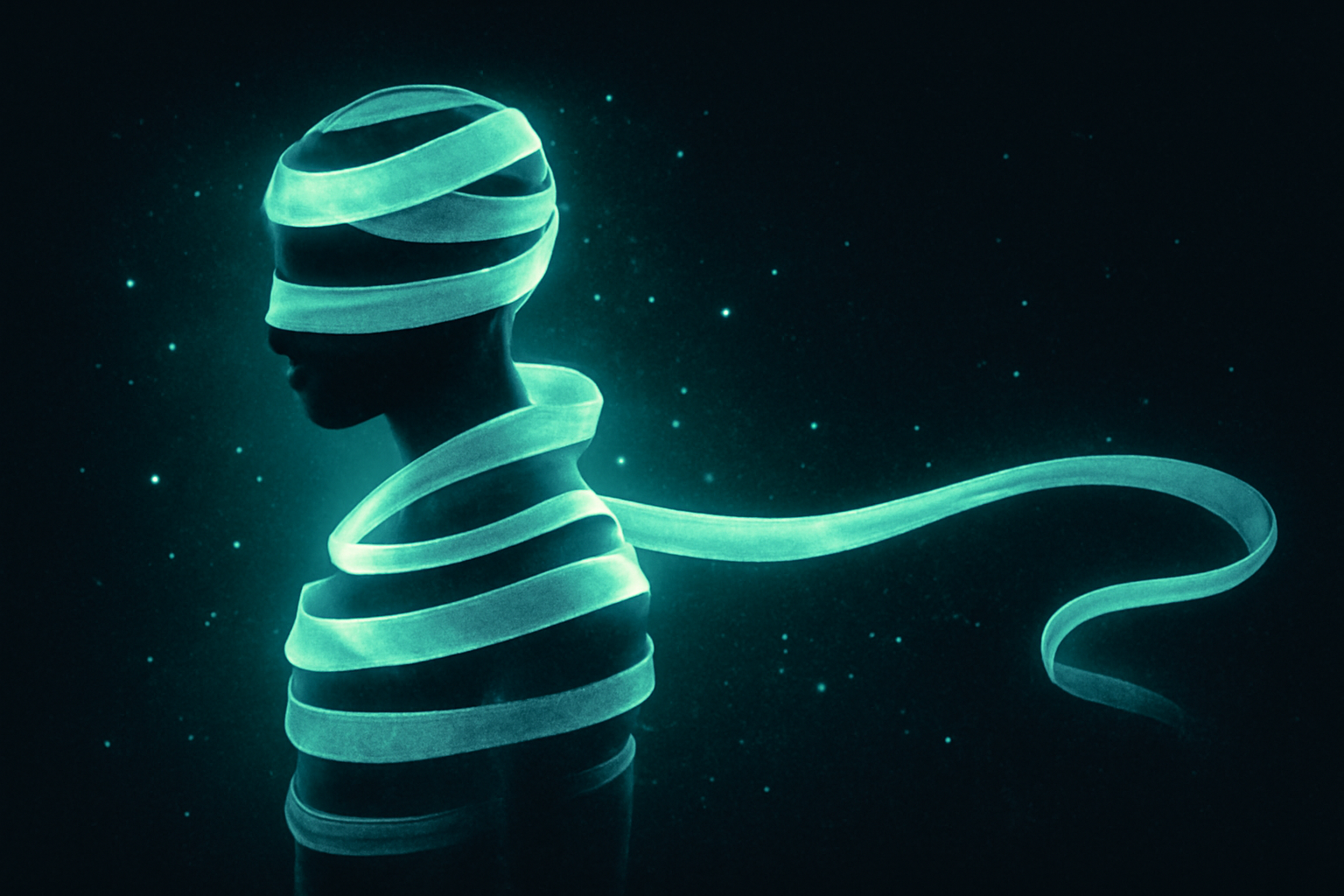
You carry stories written in flesh and memory, inscribed across your heart in languages only you can fully read. Some of these narratives arrived through choices you made, others through circumstances that chose you. The wellness industry whispers constantly about transformation, about becoming someone new, about leaving the past behind. But what if the most radical act of self-compassion involves accepting that not every wound needs to become a wisdom story, not every scar requires transformation into strength?
The pressure to alchemize pain into purpose has become almost suffocating in our culture of constant self-improvement. Every setback must teach a lesson, every trauma must birth resilience, every difficult chapter must somehow justify its existence by producing a better version of yourself. This relentless demand for meaning-making can become its own form of violence, forcing you to perform gratitude for experiences that simply hurt, that changed you in ways you never asked for.
Consider the quiet rebellion of letting some experiences remain exactly what they were: difficult, senseless, or simply part of the complex tapestry of being human. When someone asks what you learned from your divorce, your job loss, your estrangement from family, what if the most honest answer is simply that you survived it? What if the lesson is that life contains suffering that serves no pedagogical purpose, and your worth is not measured by your ability to extract meaning from chaos?
There exists a profound difference between healing and curing, between integration and erasure. Healing does not require you to be grateful for harm or to transform every difficulty into a teaching moment for others. Sometimes healing looks like learning to live alongside your scars rather than constantly trying to make them disappear or justify their presence. The person who broke your trust does not need to become a catalyst for your growth story. The illness that changed your body does not need to inspire anyone. The trauma that altered your worldview does not owe the world a silver lining.
Your past experiences have undoubtedly shaped you, but they do not define your capacity for future joy, love, or peace. The narrative that suggests you must "work through" every painful memory, that psychological wholeness requires excavating and examining every wound, can become a prison disguised as progress. Some memories are simply part of your personal archaeology, buried layers that provide structure without demanding constant attention or interpretation.
What would it feel like to give yourself permission to be imperfect, scarred, and still deserving of peace? To acknowledge that some aspects of your history will always feel tender without needing to transform that tenderness into strength? The human psyche possesses remarkable capacity for compartmentalization, for holding multiple truths simultaneously. You can honor your resilience without romanticizing what broke you. You can appreciate who you have become without being grateful for every painful step that brought you here.
The most authentic relationships often form not around shared healing journeys but around mutual acceptance of each other's unhealed places. When you meet someone who can witness your scars without immediately suggesting remedies, who can sit with your contradictions without trying to resolve them, you encounter something rare: unconditional presence. This kind of acceptance models a way of being with yourself that requires no constant self-improvement project.
Perhaps the deepest wisdom lies not in transforming every wound into wisdom but in developing discernment about which experiences deserve your continued emotional energy. Some chapters of your life may never make sense, and your peace does not depend on solving their mysteries. Some relationships may always feel incomplete, and your wholeness is not contingent on finding closure. Some losses may continue to ache occasionally, and your healing does not require the elimination of all tender spots.
The invitation is not to avoid growth or remain stagnant in past pain, but to release yourself from the exhausting mandate to optimize every experience for personal development. You are allowed to have lived through difficult things without becoming a motivational speaker about resilience. You are permitted to carry sadness about certain experiences without transforming that sadness into inspiration for others.
What stories are you telling yourself about what your scars should mean, and how might your life change if you allowed some of them to simply exist as evidence of your survival rather than monuments to your growth?
Written with intention by
The Pilgrim